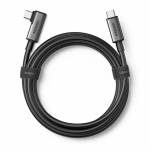
Das Fanvil EHS20 Adapterkabel ermöglicht die Nutzung von kabellosen DECT-Headsets wie Jabra Pro 920/925 oder VT9000 direkt an kompatiblen Fanvil-X-Series-IP-Telefonen. Anrufe lassen sich so bequem am Headset annehmen, beenden und stummschalten.
"Connect DECT base to Fanvil IP phones with EHS20 adaptor in order to achieve remote control and allow users to answer and end the calls by press the multi-function button on the
Schließen Sie die DECT-Basisstation mit dem EHS20-Adapter an die Fanvil IP-Telefone an, um eine Fernsteuerung zu erreichen und den Benutzern zu ermöglichen, Anrufe durch Drücken der Multifunktionstaste am Headset anzunehmen und zu beenden.rnrn Hauptmerkmale rn rn Design rn Schnittstelle Verkabelt rn Fernbedienung Nutzung Telefon rn Markenkompatibilität Fanvil rn Produktfarbe Schwarz rn Eingangssignal Drucktasten rn Beleuchtete Tasten Nein rn Kompatible Produkte X2 / X2P rnX3S / X3SP / X3G rnX4 / X4G rnX5S rnX6 rn rn Bildschirm rn Eingebaute Anzeige Nein rn rn Leistungen rn Anzahl der unterstützten Geräte 1 rn Plug & Play Ja rn rn Batterie rn Wiederaufladbar Nein rn rn Verpackungsdaten rn Menge pro Packung 1 Stück(e) rn
The Fanvil EHS20 Adapter is a compact electronic hook switch (EHS) interface designed to connect compatible Fanvil IP phones with professional wireless headsets from leading brands. It enables users to answer and end calls remotely via the headset, without touching the phone, significantly improving comfort and mobility at the workplace. The EHS20 is typically connected between the IP phone and the wireless headset base using the appropriate audio/remote cables required by the headset manufacturer.
From a technical perspective, the EHS20 works as a control interface that translates phone signaling into commands understood by supported headsets. It is powered directly from the IP phone, so no additional power supply is usually required, reducing cable clutter on the desk. The adapter is engineered for plug-and-play deployment with compatible Fanvil models (for example selected models from the X- and V-series, depending on the firmware and hardware revision). Its housing is compact and lightweight, allowing flexible placement close to the phone or headset base.
In terms of application, the EHS20 is ideal wherever users need to move around while staying reachable: open-plan offices, reception desks, call centers, healthcare environments, and home offices. Staff can walk away from their desk, talk hands-free and still manage calls directly on the headset (answer, hang up and in some cases mute or control volume, depending on headset capabilities). This leads to a quieter working environment, better ergonomics and higher productivity, especially for users who spend many hours per day on the phone.
The key advantages of the Fanvil EHS20 Adapter include increased user mobility, improved ergonomics and simplified workflows. By eliminating the need to lift the handset or press keys on the phone to manage calls, it reduces repetitive movements and supports healthier working postures. The simple installation and compatibility with established headset ecosystems protect existing investments and allow companies to standardize on high-quality audio hardware without locking themselves into a single vendor.
Fanvil as a manufacturer is known for its focus on robust, value-oriented VoIP solutions for business communication. The company invests in modern, energy-efficient electronics and compact designs that help reduce power consumption and material use over the product lifecycle. While specific sustainability programs can vary, Fanvil devices are typically designed for long service life and compatibility with standard accessories, which helps avoid premature replacement and unnecessary electronic waste. By choosing the EHS20 and extending the life and usefulness of existing phones and headsets, customers contribute to a more responsible use of resources and a reduction of their overall environmental impact through hardware reuse instead of frequent replacement.
For buyers, investing in the Fanvil EHS20 Adapter is not only a decision for greater comfort and efficiency at work, but also a conscious step toward more sustainable communication infrastructure. By optimizing what is already in use instead of constantly buying new complete systems, companies and individuals support a more careful use of electronic devices and thus make their own, tangible contribution to doing something good for people and the environment.



 Telephones&Cell Pho.
11.663
- Landline Phones 645- Smartphones&Cell Ph. 898- Smartwatches 777- Telephone Accessori. 8.648- Voice over IP 366- conferencing systems 319- more Phones 10
Telephones&Cell Pho.
11.663
- Landline Phones 645- Smartphones&Cell Ph. 898- Smartwatches 777- Telephone Accessori. 8.648- Voice over IP 366- conferencing systems 319- more Phones 10